Othery: A Modern Sans Serif Font for Branding
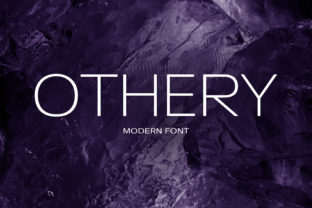
As a small business owner, you quickly learn that your brand is more than just a logo or a color palette. It is the sum of every interaction a customer has with your company. From the font on your Instagram stories to the text on your product packaging, typography plays a silent but powerful role in how people perceive your professionalism and trustworthiness. This is why finding the right typeface is one of the most important design decisions you will make. Enter Othery, a thin and elegant sans serif font that offers a unique style perfectly suited for modern entrepreneurs who value clarity and sophistication.
Why Typography Matters for Small Businesses
Many independent creators underestimate the impact of fonts. They might spend hours perfecting their product photos but settle for a default system font on their labels or website. This inconsistency can make a brand feel amateurish or disjointed. Using a dedicated, premium font like Othery helps unify your visual identity. When your customers see the same elegant letterforms on your business card, your website banner, and your thank-you notes, it builds recognition. It signals that you pay attention to details, which translates to perceived quality in your products or services.
Othery stands out in the crowded market of sans serif fonts because of its delicate weight and refined character. Unlike bold, heavy typefaces that shout for attention, Othery whispers. It exudes confidence without being aggressive. This makes it an excellent choice for brands that want to appear approachable yet high-end. Whether you run a boutique skincare line, a cozy café, or a digital coaching practice, the mood of your typography should match your message. Othery brings a sense of calm, modern minimalism that appeals to contemporary consumers.
Practical Uses for Othery in Your Daily Operations
You do not need to be a graphic designer to leverage the power of a good typeface. Here are several real-world ways you can integrate Othery into your business materials to elevate your brand identity:
- Product Labels and Packaging: If you sell handmade candles, soaps, or jewelry, space is often limited on your labels. The thin strokes of Othery allow for clean, readable text even at smaller sizes. It looks particularly stunning on minimalist packaging where white space is used effectively to highlight the product.
- Social Media Graphics: In the fast-paced world of Instagram and Pinterest, visuals must stop the scroll. Use Othery for quotes, announcements, or sale graphics. Its elegant structure ensures that your text remains legible on mobile screens while adding a touch of class to your feed.
- Website Headers and Banners: For web design, readability is key. Othery works beautifully as a display font for main headlines. It pairs well with high-quality imagery, allowing the text to complement rather than compete with your photos.
- Business Cards and Stationery: First impressions matter. Printing your contact details in Othery on thick, textured cardstock creates a tactile and visual experience that feels premium. It suggests that you value quality in every aspect of your business.
- Menus and Price Lists: Café owners and service providers can use Othery to create clean, easy-to-read menus. The uniformity of a sans serif font helps customers scan options quickly, reducing friction in the buying process.
Ensuring Readability Across Different Mediums
One common concern with thin fonts is readability. While Othery is elegant, it is essential to use it wisely. Because it is a thin typeface, it may lose clarity if scaled down too much or placed against a busy background. For best results, use Othery for headlines, logos, and short bursts of text. For longer paragraphs, such as blog posts or detailed product descriptions, consider pairing it with a more robust sans serif font or a highly readable serif font.
When using Othery on printed materials like stickers or tags, ensure you have high-resolution files and print on smooth paper. Rough textures can break up the fine lines of the font, making it look fuzzy. On digital platforms, always check contrast. Light gray text on a white background might look chic in a design mockup but can be impossible to read on a phone screen in bright sunlight. Always test your designs in real-life conditions before finalizing them.
Smart Font Pairing Strategies
To get the most out of Othery, think about how it interacts with other elements in your design assets. Font pairing is an art, but there are simple rules that work well for business owners. Since Othery is a clean, modern sans serif, it pairs exceptionally well with:
- Script or Handwritten Fonts: Use a decorative script font for accents or signatures, and let Othery handle the informational text. This combination adds personality while maintaining professionalism.
- Classic Serif Fonts: For a more traditional or editorial look, pair Othery with a serif font for body text. This contrast between modern and traditional styles can make your brand feel established and trustworthy.
- Bolder Sans Serifs: If you need more hierarchy, use a heavier weight of a similar sans serif family for subheadings, keeping Othery for the primary titles. This maintains consistency while creating visual interest.
Remember, the goal is balance. Do not use more than two or three different fonts in a single design. Let Othery shine as the star of your headline or logo, and support it with simpler, functional typefaces for the rest of the content.
Testing and Licensing Considerations
Before rolling out Othery across your entire brand, take time to test it. Create mockups of your most common materials: an Instagram post, a product label, and an email header. See how it feels. Does it align with your brand’s voice? Is it easy to read? Ask for feedback from trusted peers or potential customers. Sometimes, a font looks great in isolation but feels off when applied to your specific color scheme or imagery.
Finally, always verify the licensing terms. As a business owner, you must ensure you have the right commercial license for any font you use. This is crucial if you are selling physical products, offering digital downloads, or using the font in client work. Check whether the license covers print, web, and merchandise usage. Investing in the correct license protects your business from legal issues and supports the designers who create these valuable tools. By choosing a font like Othery and using it correctly, you invest in a cohesive, professional brand identity that resonates with your audience and stands the test of time.